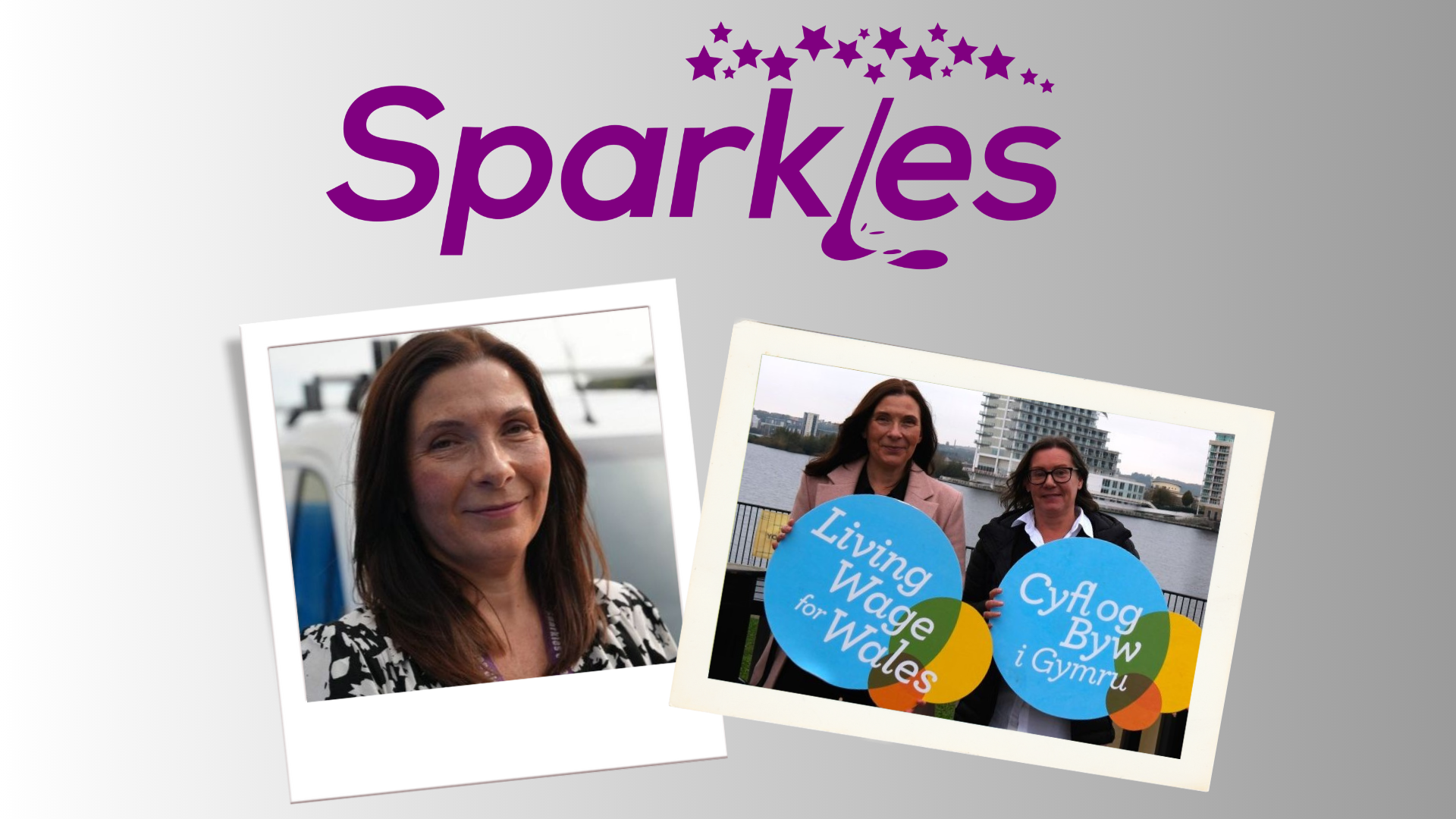
For decades, the cleaning sector has struggled with a reputation as a high-turnover, low-skill industry but it’s time to elevate the role and pay the real living wage. Clients viewed it as a necessary expense to be minimised, rather than a vital service to be optimised. This model was unsustainable. It led to disengaged employees, high recruitment costs, and inconsistent quality—a cycle that ultimately harmed everyone in the cleaning industry.
To survive, let alone thrive, we needed a radical shift in perspective. We needed to stop thinking about our team as simply “cleaners” and start seeing them, and treating them, as the highly skilled, essential technicians they are.
This transformation was more than just a name change; it was a comprehensive strategy designed to elevate our employees, improve service quality, and, crucially, enhance employee retention.
The title “cleaner” often carries outdated connotations. It suggests a manual, repetitive job requiring minimal expertise. However, in modern facilities, the reality is vastly different. Today’s commercial environments require knowledge of complex chemical compositions, the operation of advanced, often robotic, machinery, and an understanding of microbiology and infection control standards.
Our employees weren’t just removing dust; they were sanitising spaces for the health of occupants, maintaining expensive surfaces, and ensuring compliance with stringent safety regulations. By continuing to use the term “cleaner,” we were underselling our employees’ contributions and inadvertently contributing to the low perception of the role.
1. Robust and Continuous Training
A skilled technician role demands technical training. We developed a comprehensive curriculum that covered more than just how to mop a floor. It included:
-
Microbiology and Sanitization: Understanding how pathogens spread and how to effectively use disinfectants to eliminate them.
-
Surface Science: Knowing which chemical to use on polished concrete, delicate marble, or anti-static flooring.
-
Green Cleaning Practices: Training on sustainable methods that align with our commitment to the environment.
-
Operational Technology: Learning to operate, monitor, and troubleshoot the sensor-based and robotic cleaning equipment that has become industry-standard in 2026.
This investment in training transformed our staff. They were no longer performing a task; they were applying expertise.
2. A Living Wage: The Foundation of Respect
You cannot rebrand a role as “skilled” while paying a minimum wage. The single most important element of our strategy was a commitment to paying all our employees a true living wage.
We recognised that financial stability is not a luxury; it’s a prerequisite for a dedicated workforce. Paying a living wage was an investment in our staff’s well-being and, by extension, our company’s future.
We know that a staff member who isn’t worried about making rent is a staff member who is more reliable. This commitment to fair compensation wasn’t just ethical; it was a smart business decision.
The Impact on Retention and Quality
The results of this dual strategy—rebranding/training and paying a living wage—were profound. The most significant metric to change was our employee retention rate.
By elevating the role and offering a career path, our staff started to see their job as a profession. They took pride in their expertise and their title. This didn’t just save us recruitment and training costs; it led to a dramatic improvement in service consistency and quality for our clients.
Furthermore, we found that our Technicians were more proactive. Because they felt valued and were properly trained, they were more likely to identify and solve problems and engage with our technology systems in a meaningful way.
Conclusion: Investing in People, Not Just Buildings
The 2026 cleaning landscape is one of sophistication. Clients are no longer just looking for a superficial “clean”; they are looking for “healthy buildings,” “data-driven service,” and “operational efficiency.” To deliver this, we need a workforce that is engaged, expertly trained, and fairly compensated.
Our journey from managing “cleaners” to empowering “Technicians” has shown us that the future of the industry lies not in cutting costs, but in investing in people. By elevating the role and providing a living wage, we haven’t just improved our retention. We’ve secured the quality and reliability that our clients deserve. We have created a model that is sustainable for our employees and our business for years to come.